
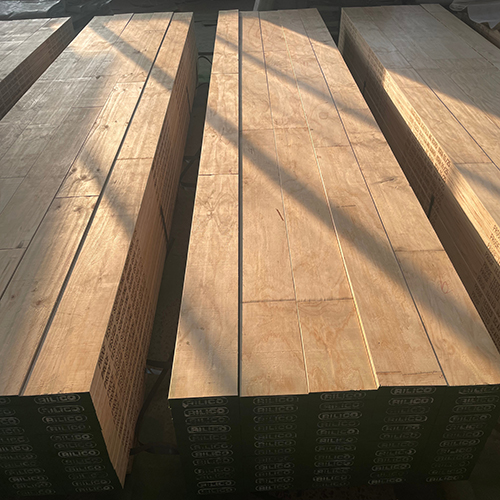
Scaffold planks are essential components in modern construction, providing stable, reliable platforms that allow workers to perform tasks at elevated heights. They are designed to carry significant loads, including construction workers, tools, and materials, ensuring safety and efficiency on the job site.
What Is a Scaffold Plank?
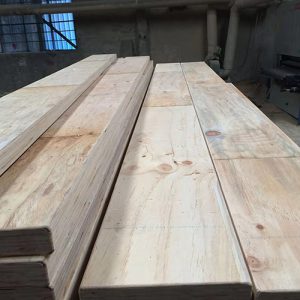
A scaffold plank is a horizontal board or platform installed across the frames of a scaffold. It creates a walkway or working surface for construction personnel. Scaffold planks can be made from wood, metal, or composite materials, depending on the project’s needs, budget, and safety requirements.
Key Features and Benefits
- Safety First
High-quality scaffold planks are engineered to prevent bending or breaking, providing a secure surface and reducing the risk of accidents at height. - Durable Materials
Planks made from treated timber, steel, or reinforced composites resist moisture, corrosion, and wear, ensuring long-lasting performance. - Ease of Use
Lightweight designs allow for easy installation, repositioning, and removal, streamlining the construction process. - Versatility
Scaffold planks are compatible with a wide variety of scaffolding systems, including modular scaffolds, tube-and-coupler setups, and frame scaffolds. - Cost-Effective
Reusable planks reduce material waste and labor costs, offering long-term value for construction projects.
Applications
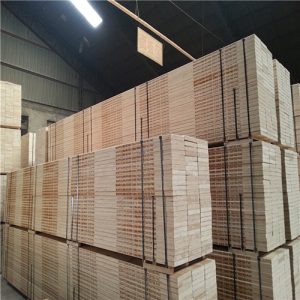
- Residential Construction: Provides safe platforms for building houses, apartments, and villas.
- Commercial Projects: Offices, hotels, retail spaces, and industrial facilities.
- Industrial Sites: Warehouses, factories, and manufacturing facilities.
- Maintenance and Renovation: Painting, repairs, cleaning, and façade installations.
Why Scaffold Planks Are Essential
Scaffold planks are critical for maintaining safety, productivity, and structural support on construction sites. They allow workers to access elevated areas securely, carry heavy loads, and perform tasks efficiently. Choosing high-quality, certified planks ensures compliance with safety regulations and reduces the risk of accidents.